
Buyer Guide
Telescopic Loader for Roof-Truss and Construction Lifting
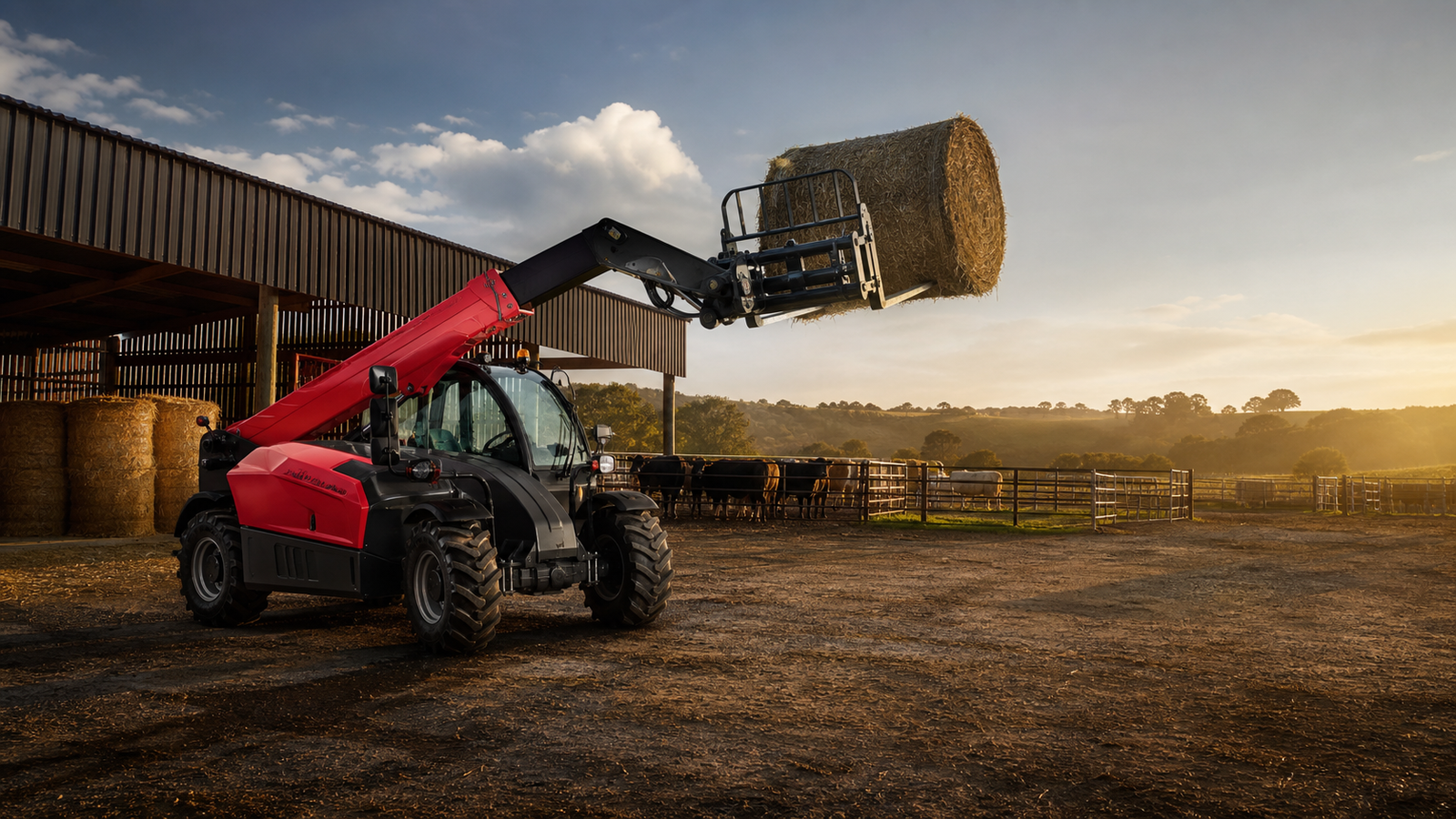
Telescopic Loader for Roof-Truss and Construction Lifting starts with placing long or bulky loads while controlling reach, wind and exclusion zones. A useful buying decision combines machine data, site measurements and the way the equipment will be transported, operated and maintained.
Why this decision deserves a separate check
Machines with similar headline ratings can behave differently once attachments, terrain, travel speed and duty cycle are included. The objective is not to choose the largest specification. It is to define a configuration that can complete the real work with a sensible safety and productivity margin.
Before requesting a quotation, describe the material or crop, working surface, daily hours, access limits, preferred power source and local service conditions. Photos, short videos and dimensioned sketches often prevent more errors than a long list of generic requirements.
Information to confirm
- Truss mass and dimensions. Record the value, unit, operating condition and acceptable range rather than relying on a brochure headline.
- Pick and place radius. Record the value, unit, operating condition and acceptable range rather than relying on a brochure headline.
- Lift height. Record the value, unit, operating condition and acceptable range rather than relying on a brochure headline.
- Attachment type. Record the value, unit, operating condition and acceptable range rather than relying on a brochure headline.
- Wind exposure. Record the value, unit, operating condition and acceptable range rather than relying on a brochure headline.
- Ground support. Record the value, unit, operating condition and acceptable range rather than relying on a brochure headline.
A practical evaluation workflow
- Survey the site. Measure the narrowest access, steepest operating area and the space required to turn, load or discharge.
- Define the normal job. Use the material, load, application rate or finish quality encountered most often.
- Check the difficult case. Document the heaviest, wettest, steepest or most restricted condition separately.
- Compare complete configurations. Include attachments, battery or engine choice, tires, guarding and export options.
- Confirm evidence. Request a data sheet, drawings, operating video and pre-shipment inspection points for the agreed configuration.
Common planning errors
- Using mass without wind area.
- Guiding loads from beneath.
- Lifting from unapproved points.
- Using a capacity chart for another attachment.
What to send with an RFQ
A clear RFQ should identify the job, expected capacity, worksite constraints, annual utilization, destination country, applicable emissions or electrical requirements and the attachments needed at delivery. Ask the supplier to separate standard equipment, optional equipment, spare parts, packaging and freight assumptions.
For OEM projects, freeze model designation, labels, manuals, colors and configuration before production. Keep the approved specification and inspection checklist linked to the purchase order so later changes are visible.
Questions buyers ask
Which load dimensions affect planning?
The answer depends on the final machine configuration and the measured worksite. Include this point in the technical confirmation sheet so the supplier can reply with a traceable value, drawing or operating recommendation.
How does wind change the lift?
The answer depends on the final machine configuration and the measured worksite. Include this point in the technical confirmation sheet so the supplier can reply with a traceable value, drawing or operating recommendation.
What attachment and chart are required?
The answer depends on the final machine configuration and the measured worksite. Include this point in the technical confirmation sheet so the supplier can reply with a traceable value, drawing or operating recommendation.
Discuss the application with MERI
Review the related Telescopic Loaders range or send your application and RFQ details. MERI can help organize the configuration, documentation and pre-shipment confirmation.