
Wheel Loader Selection · MERI Buyer Resource
Compact Wheel Loader Size Guide: 500 kg to 5,000 kg
Rated load is only the first filter when choosing a wheel loader. Material density, bucket fill, lift height, tipping load, counterweight, tires, travel distance and site access determine whether a machine is productive and stable in the real job.
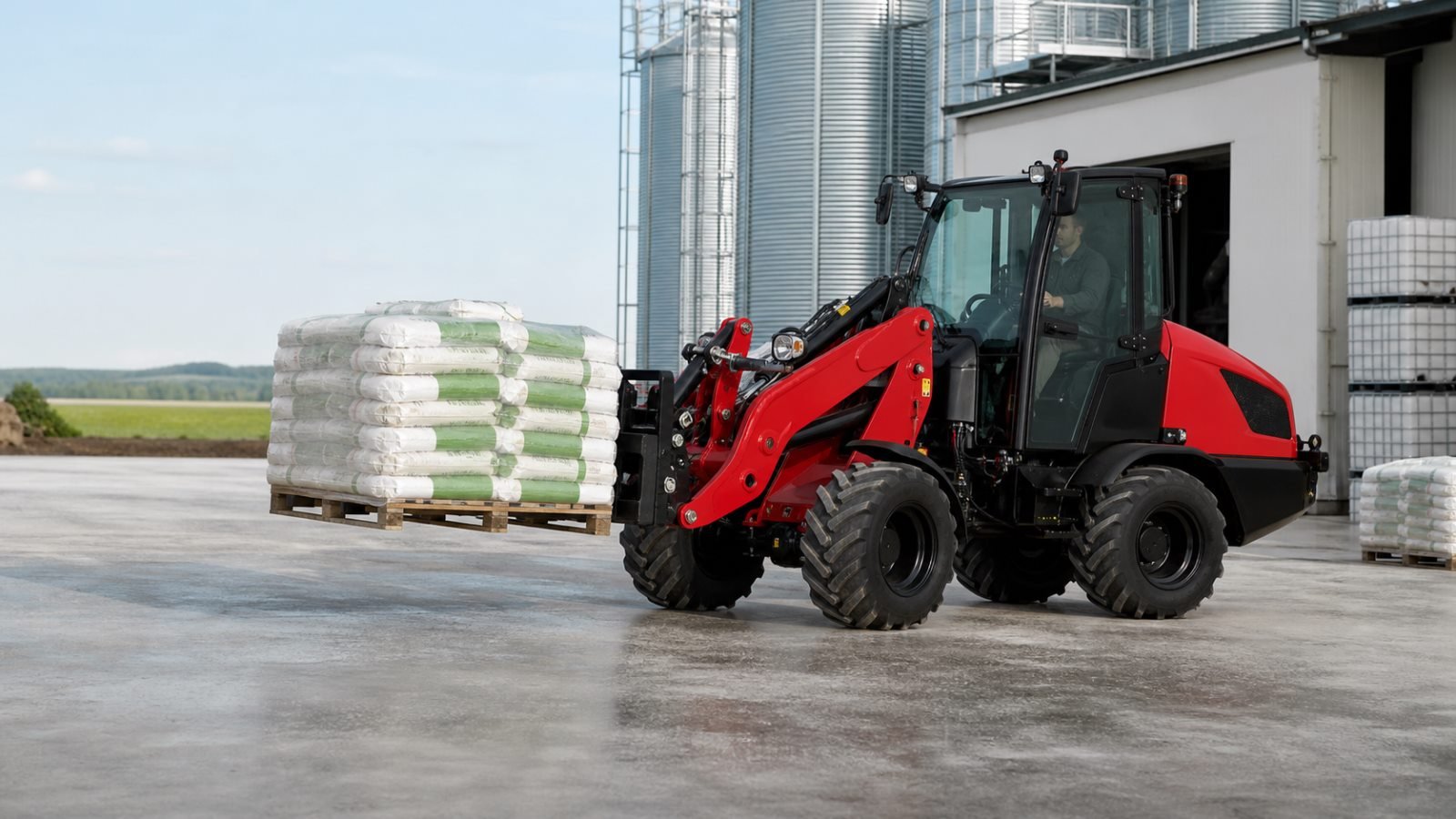
Technical Factors to Compare
| Decision area | What to verify |
|---|---|
| 500 – ,200 kg class | Compact access, light materials, landscaping, farms and short handling cycles where maneuverability matters. |
| 2,000 – ,000 kg class | General construction and agricultural handling with larger buckets, forks and broader attachment requirements. |
| 5,000 kg class | Higher-volume loading and heavier material cycles where transport, ground bearing pressure and service planning become critical. |
| Bucket selection | Specify material density and target volume. A full bucket of dense aggregate can exceed the intended load. |
| Lift geometry | Confirm dump height, reach at full height, rollback, hinge-pin height and clearance over the receiving vehicle. |
Information to Send with an Inquiry
- Material type and density
- Target payload per cycle
- Required dump height and forward reach
- Minimum gate, aisle and overhead clearances
- Surface, gradient and travel distance
- Bucket, forks and hydraulic attachments
- Transport dimensions and destination requirements
Frequently Asked Questions
Does rated load equal bucket capacity?
No. Bucket payload depends on bucket volume, fill factor and material density, while machine stability and lift geometry also apply.
Which loader dimension is most important?
There is no single answer. Width, height, turning radius, dump clearance and transport dimensions should all be checked against the site.
Can one loader use buckets, forks and grapples?
Often yes, when the coupler, residual capacity and hydraulic interface are correctly matched to every attachment.
Get an Application-Based Recommendation
Send MERI your job description, loads, dimensions, site conditions, attachments and destination. Review the relevant equipment range or request a technical quotation.
Specifications and suitability depend on the confirmed model and configuration. This guide supports preliminary selection and does not replace the operating manual, load chart, risk assessment or local compliance review.