
Power-System Decision · MERI Buyer Resource
Diesel vs Electric Wheel Loader: Total Application Comparison
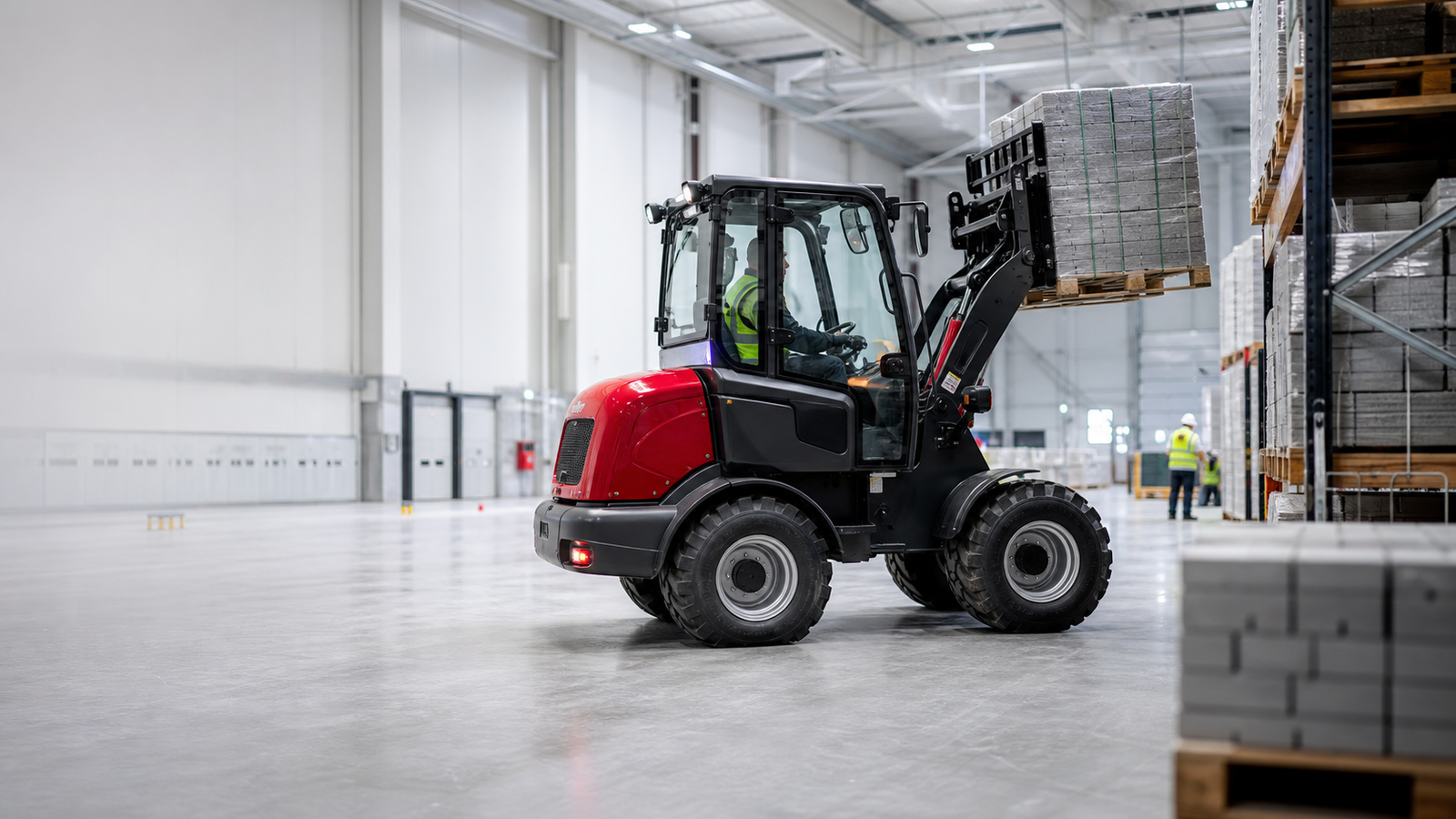
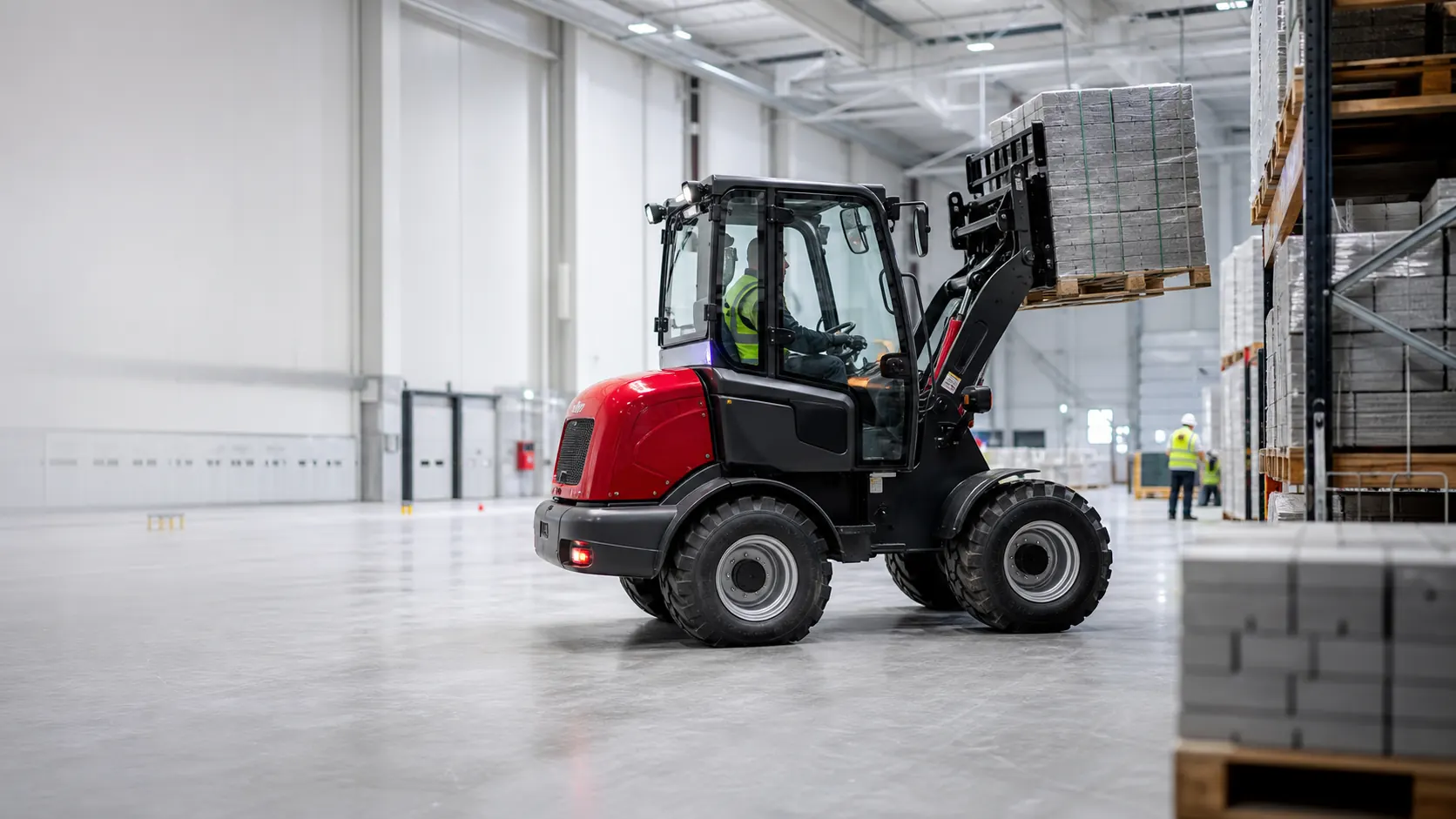
The right power system depends on where and how the loader works. Electric machines can suit indoor, noise-sensitive and predictable duty cycles; diesel can remain practical for long shifts, remote sites and operations without dependable charging.
Technical Factors to Compare
| Decision area | What to verify |
|---|---|
| Energy access | Diesel requires fuel logistics; electric requires compatible electrical supply, charger capacity and charging windows. |
| Duty cycle | Measure travel, loading, idling, gradients and hydraulic attachment use instead of relying on a universal runtime claim. |
| Work environment | Consider local emissions rules, ventilation, noise, dust, water exposure and operating temperature. |
| Maintenance | Compare engine service and aftertreatment with battery, charger, electrical diagnostics and drivetrain requirements. |
| Utilization plan | Shift length, seasonal peaks, backup equipment and opportunity charging can change the best choice. |
Information to Send with an Inquiry
- Hours and shifts per day
- Travel, gradients and lift cycles
- Continuous hydraulic attachment use
- Indoor ventilation and noise limits
- Fuel or charging infrastructure
- Climate and storage conditions
- Local service and spare-parts capability
Frequently Asked Questions
Is electric always cheaper to operate?
Not automatically. Energy price, utilization, charging infrastructure, battery life, maintenance and downtime all affect total cost.
Can an electric loader work outdoors?
Many can, but the confirmed protection rating, temperature range, charging environment, tires and site conditions must suit the application.
When should a buyer choose diesel?
Diesel may fit remote locations, extended shifts, rapid refueling and regions where charging or electrical service is limited.
Get an Application-Based Recommendation
Send MERI your job description, loads, dimensions, site conditions, attachments and destination. Review the relevant equipment range or request a technical quotation.
Specifications and suitability depend on the confirmed model and configuration. This guide supports preliminary selection and does not replace the operating manual, load chart, risk assessment or local compliance review.