

Snow Removal Equipment Maintenance and Seasonal Storage Guide
Snow equipment may sit unused for months and then be expected to work immediately during severe weather. Pre-season inspection, daily cleaning, wear-part monitoring and dry end-of-season storage reduce corrosion, seized components and avoidable hydraulic problems.
Key planning factors
The following points provide a structured starting point. Final selection and operating decisions should use the confirmed machine documentation, destination requirements and application-specific risk assessment.
| Brush or rotor | Inspect wear, damage, balance, free rotation and replacement limits before the first snowfall. |
|---|---|
| Hydraulics | Check hoses, fittings, couplers, motor condition, flow direction and leakage without hand-testing pressurized leaks. |
| Guards and chute | Confirm guards, deflectors, chute rotation and discharge controls move correctly and remain secured. |
| Carrier readiness | Review tires or traction devices, lighting, visibility, cooling and cold-weather fluid requirements. |
| Fasteners | Inspect attachment locks, mounting hardware, pins and high-vibration connections at planned intervals. |
| Storage | Clean salt and debris, dry the equipment, protect bare metal and relieve or isolate systems according to the manual. |
Recommended buyer workflow
- Complete a pre-season inspection early enough to obtain wear parts and hoses.
- Test the tool at low load in a controlled area after confirming carrier compatibility.
- Inspect after impacts, unusual vibration or ingestion of foreign objects.
- Clean accumulated snow, salt and packed debris after use while following lockout procedures.
- Record wear measurements and replace components as balanced sets where required.
- Store on stable supports in a dry area with couplers capped and documentation retained.
Questions buyers frequently ask
Should snow equipment be pressure-washed after every use?
Cleaning method depends on bearings, electrical parts and coatings. Avoid forcing water into sensitive areas and dry the equipment fully.
Why can a snow thrower vibrate excessively?
Possible causes include ice buildup, foreign objects, damaged or uneven rotor components, loose fasteners or bearing problems. Stop and inspect safely.
When should wear parts be ordered?
Order before the season using the exact equipment and component references, especially where winter delivery delays would stop operations.
Explore Snow removal equipment, compare relevant models and send MERI your application details for configuration review.
Winter Attachment Configurations
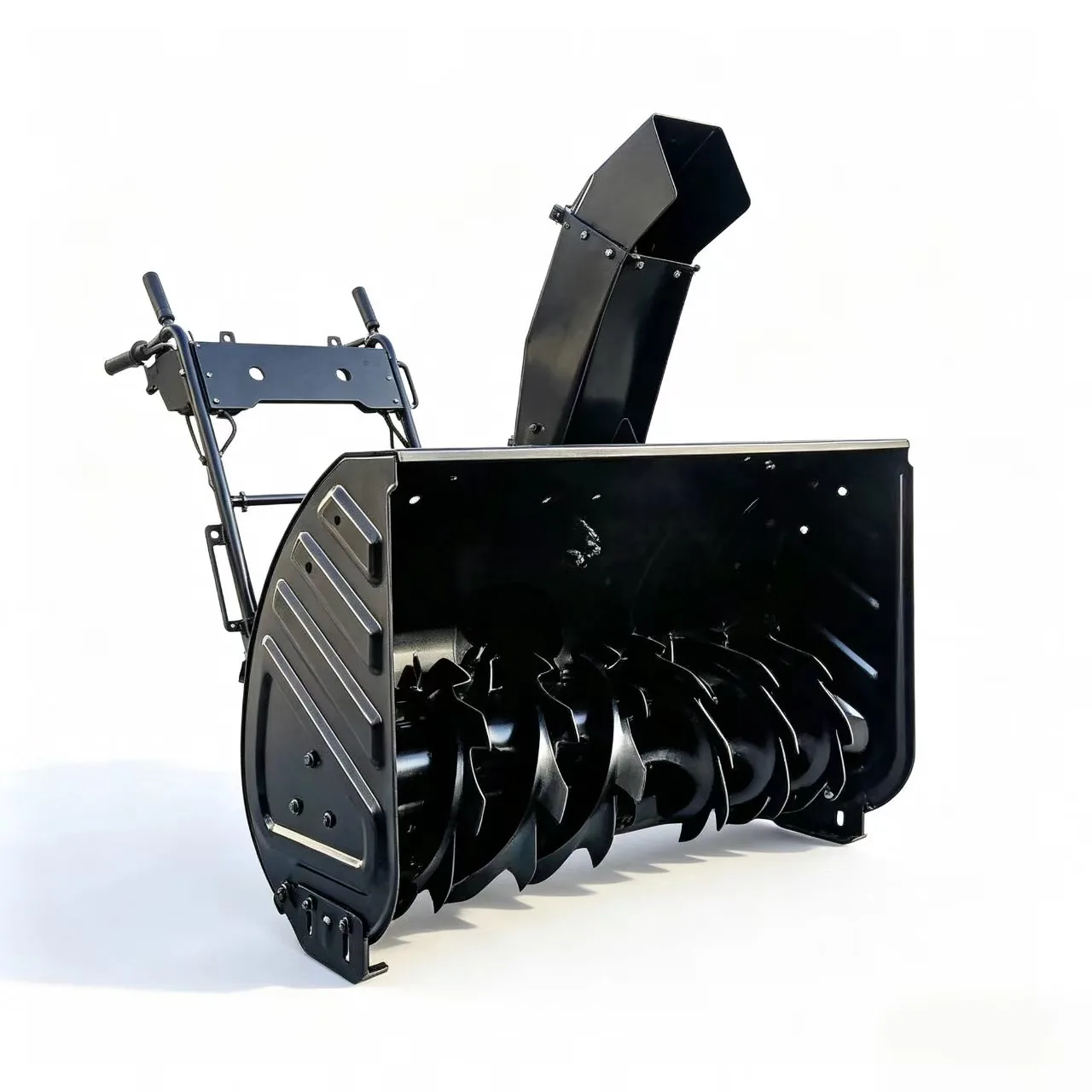
Auger intake and controlled discharge concept for moving accumulated snow away from the travel path.
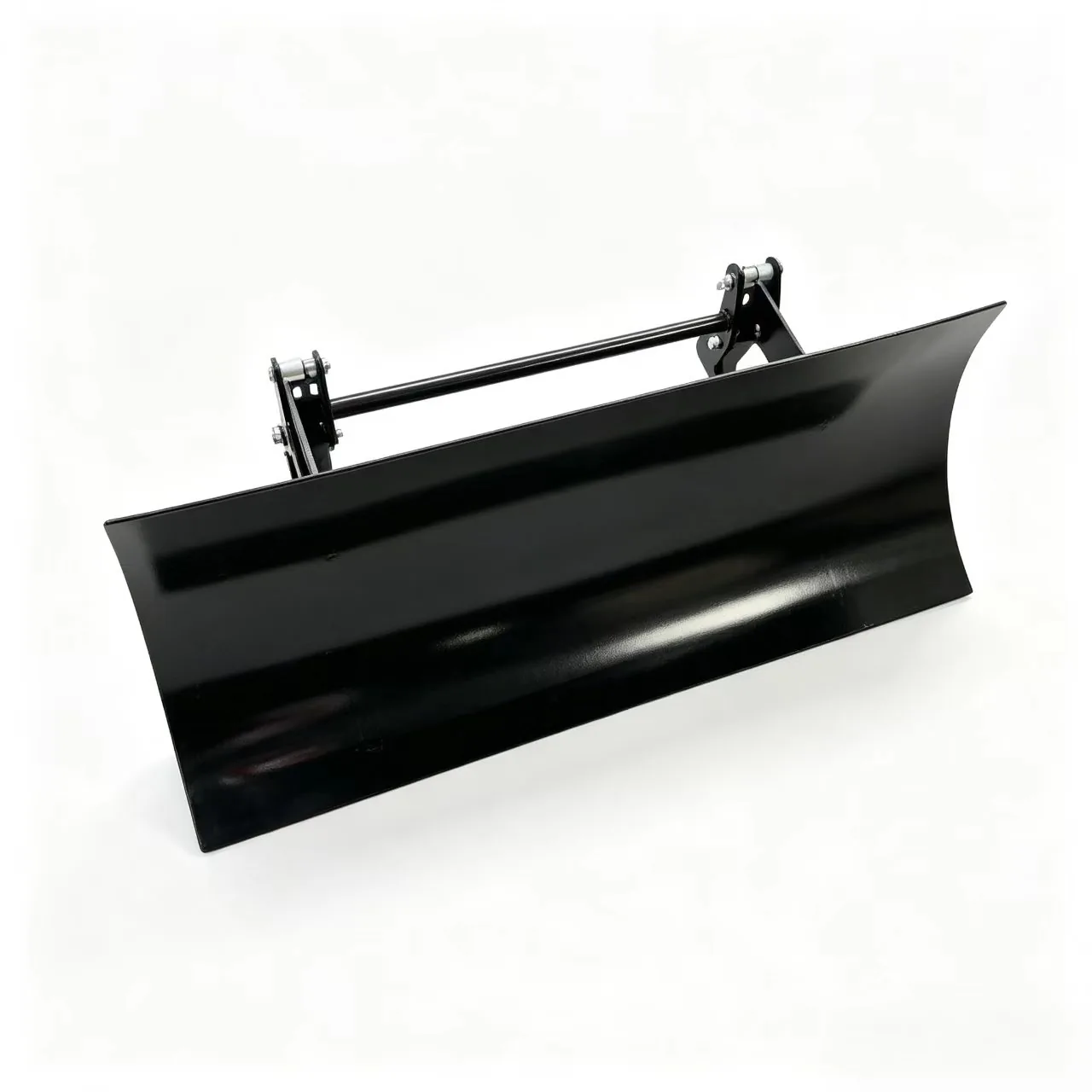
Simple pushing and windrowing concept for yards, paths and access-road maintenance.
Application-reference photography from MERI company materials. Final carrier interface, working width, hydraulic requirements and supplied configuration must be confirmed in the technical offer.