
Winter Equipment Comparison
Snow Sweeper vs Snow Plow vs Snow Thrower
No single snow tool is best for every event. Fresh light snow, wet accumulation, compacted layers and deep windrows require different removal actions. Tool selection should also account for the surface finish, available storage area and safe discharge direction.
Key decision factors
| Snow sweeper | Useful for lighter snow and a clean surface finish where brush action is appropriate. |
|---|---|
| Plow blade | Moves snow quickly by pushing or windrowing when space is available beside the route. |
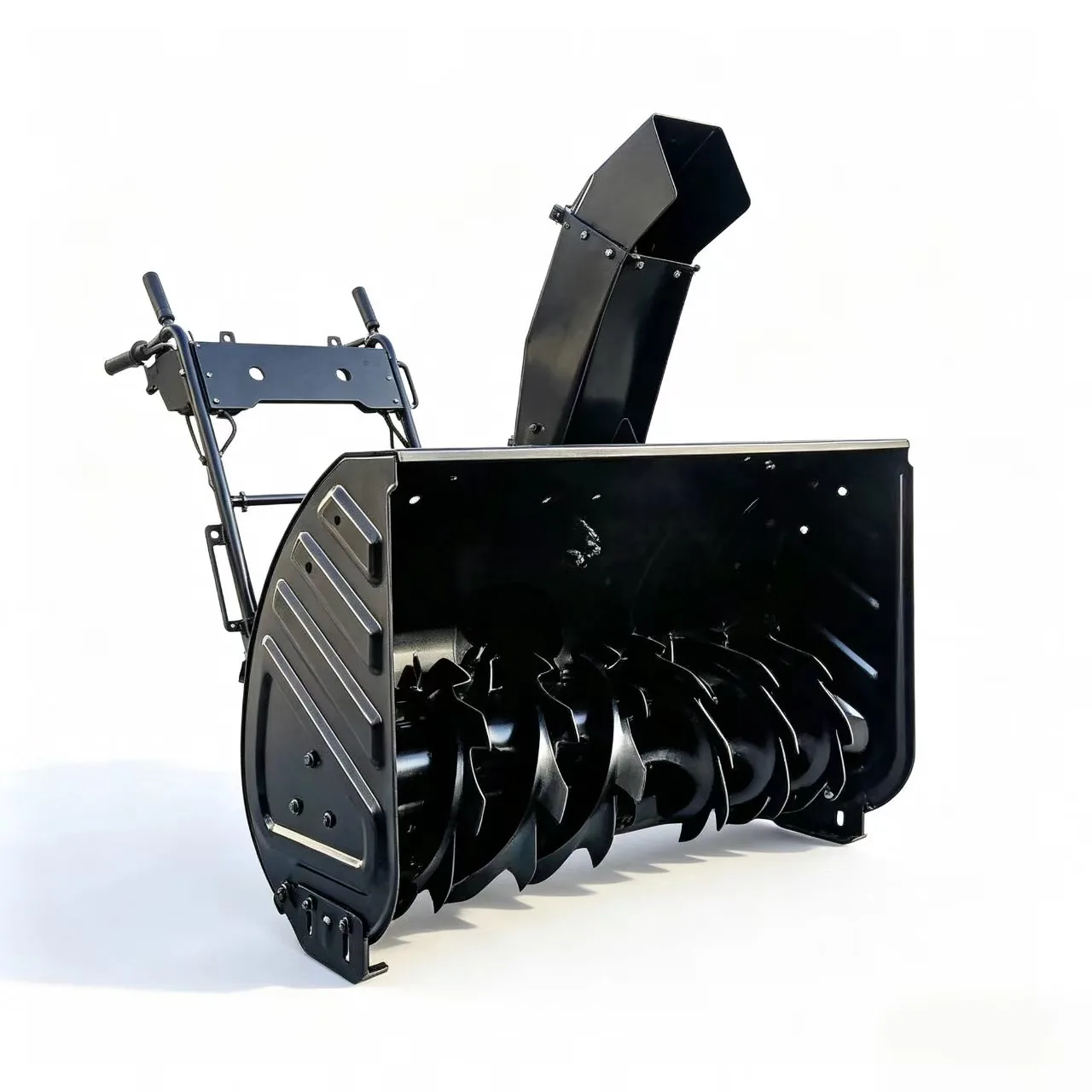
| Snow thrower | Collects and discharges snow away from the travel path when banks or narrow corridors limit pushing. |
| Carrier | Traction, visibility, hydraulic capacity, mounting interface and cold-weather readiness control suitability. |
| Safety zone | Thrown or pushed snow, hidden objects, traffic and pedestrians require a defined exclusion area. |
Recommended workflow
- Record typical and maximum snow depth, density and temperature.
- Map where removed snow can be stored or discharged.
- Define the acceptable surface finish and risk to pavers or markings.
- Confirm carrier and attachment compatibility.
- Plan route, traffic control and exclusion zones.
- Inspect after impacts or ingestion of foreign material.
Frequently asked questions
Can a sweeper handle deep wet snow?
A sweeper may be inefficient or overloaded in deep wet accumulation; tool choice depends on the confirmed attachment limits.
When is a thrower preferable to a plow?
A thrower is useful when snow must be moved farther away instead of stored along the route.
Can one carrier use several winter tools?
Potentially, if the mechanical interface, hydraulics, controls, weight and visibility are all compatible.
Continue with snow removal equipment or send MERI your application and destination details.