
Rough-Terrain Pallet Handling · MERI Machinery
Off-road forklifts combine pallet handling with traction and ground clearance for unpaved sites. Selection must account for actual load center, lift height, mast geometry, terrain, turning space and attachment weight.
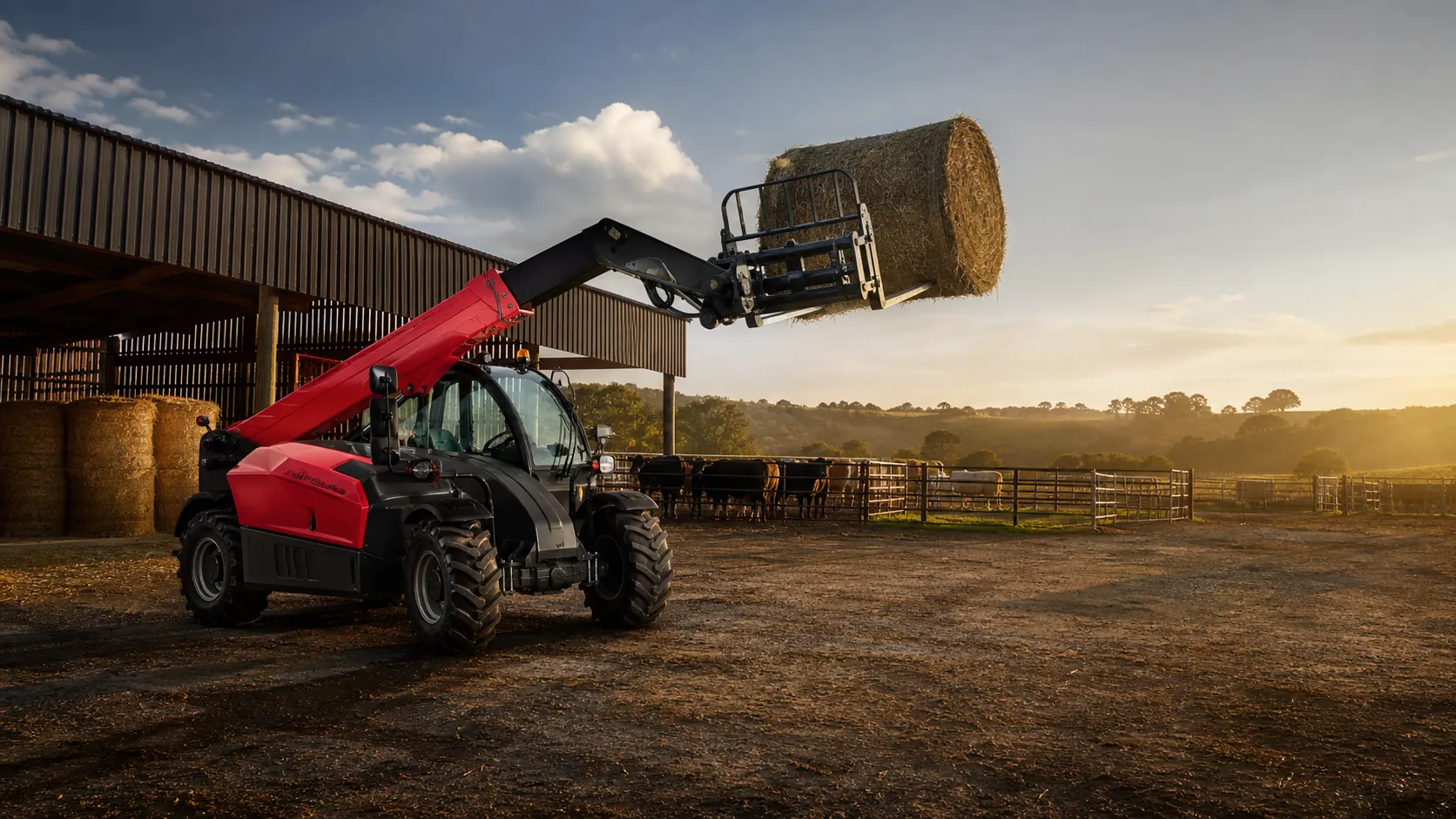
Relevant MERI Equipment and Resources
2.5 ton off-road forklift
View technical page →3 ton off-road forklift
View technical page →Capacity, terrain and mast planning
View technical page →Configuration and shipment verification
View technical page →Technical Points to Confirm
| Load center | Provide real load dimensions and center; rated capacity is not universal for every pallet or attachment. |
|---|---|
| Lift height | Confirm residual capacity at working height and mast lowered height for access and transport. |
| Terrain | Describe mud, gravel, compacted soil, slopes, potholes and seasonal conditions. |
| Machine envelope | Check width, turning radius, overhead clearance and gate dimensions. |
| Fork and options | Define fork length, side shift, fork positioning and any load backrest requirements. |
Information to Include with an Inquiry
- Maximum load weight and dimensions
- Normal and maximum lift height
- Ground surface and gradients
- Minimum aisle and gate width
- Overhead and mast restrictions
- Fork length and hydraulic options
Request an Application-Based Recommendation
Review the related MERI guide, then send your application, site conditions, configuration requirements and destination through the technical quotation form.
This page supports preliminary selection. Final specifications, capacity, compatibility, service intervals and destination documentation are confirmed for the selected machine and configuration.
Choose by Load, Height and Ground Conditions
Rated capacity is only the starting point. A useful recommendation connects the real load to its center of gravity, the required lift height, the attachment fitted to the carriage and the surface where the forklift will work. This avoids selecting a machine that appears adequate on paper but loses residual capacity or maneuverability in the actual yard.
Load profile
State maximum and typical load weight, pallet or bundle dimensions, load center and whether the load is stable, suspended or irregular.
Working envelope
Provide target lift height, lowered mast restriction, aisle width, gate width, overhead clearance and container-entry requirements.
Site and duty cycle
Describe surface, gradients, drainage, seasonal mud, travel distance, daily hours and the balance between loaded and unloaded travel.
Four-Step Configuration Review
Buyer Questions
What is the difference between an off-road forklift and a warehouse forklift?
An off-road or rough-terrain forklift is configured for traction, ground clearance and stability on less uniform outdoor surfaces. A warehouse forklift prioritizes compact dimensions and smooth-floor maneuverability. The correct choice depends on site conditions, not product name alone.
Does a 2.5-ton rating mean every 2.5-ton load can be lifted?
No. Rated capacity is tied to a specified load center, mast and lift condition. Longer loads, higher lift heights and attachments can reduce available capacity. Send the actual load geometry for review.
Which information is needed for a forklift quotation?
Include load weight and size, working and maximum lift height, surface and slope, aisle and gate limits, fork length, desired attachments, operating hours, destination and required documentation.
Can side shift or other hydraulic functions be specified?
Options depend on the selected carriage, mast and hydraulic configuration. Identify required functions at the inquiry stage so compatibility and hose routing can be confirmed before production.
Build a technically comparable quotation
Send the same load, site, mast, attachment and documentation requirements to every supplier. MERI can then return an application-based configuration for commercial and technical comparison.
Submit forklift application details →Off-Road Forklift in Operation
A short real-product clip for movement, handling and jobsite reference. Final configuration depends on the confirmed machine order.
Video is click-to-play and does not download before the visitor chooses to watch, helping mobile page speed.Related Selection Guides
Short, practical guides for preparing a clear machinery inquiry.
Maintenance Checklist
Clear, practical checks for safer operation and fewer avoidable faults.
Technical Library
Buyer Guides & Application Resources
Use these practical guides to compare configurations, prepare an RFQ and plan operation or maintenance.