
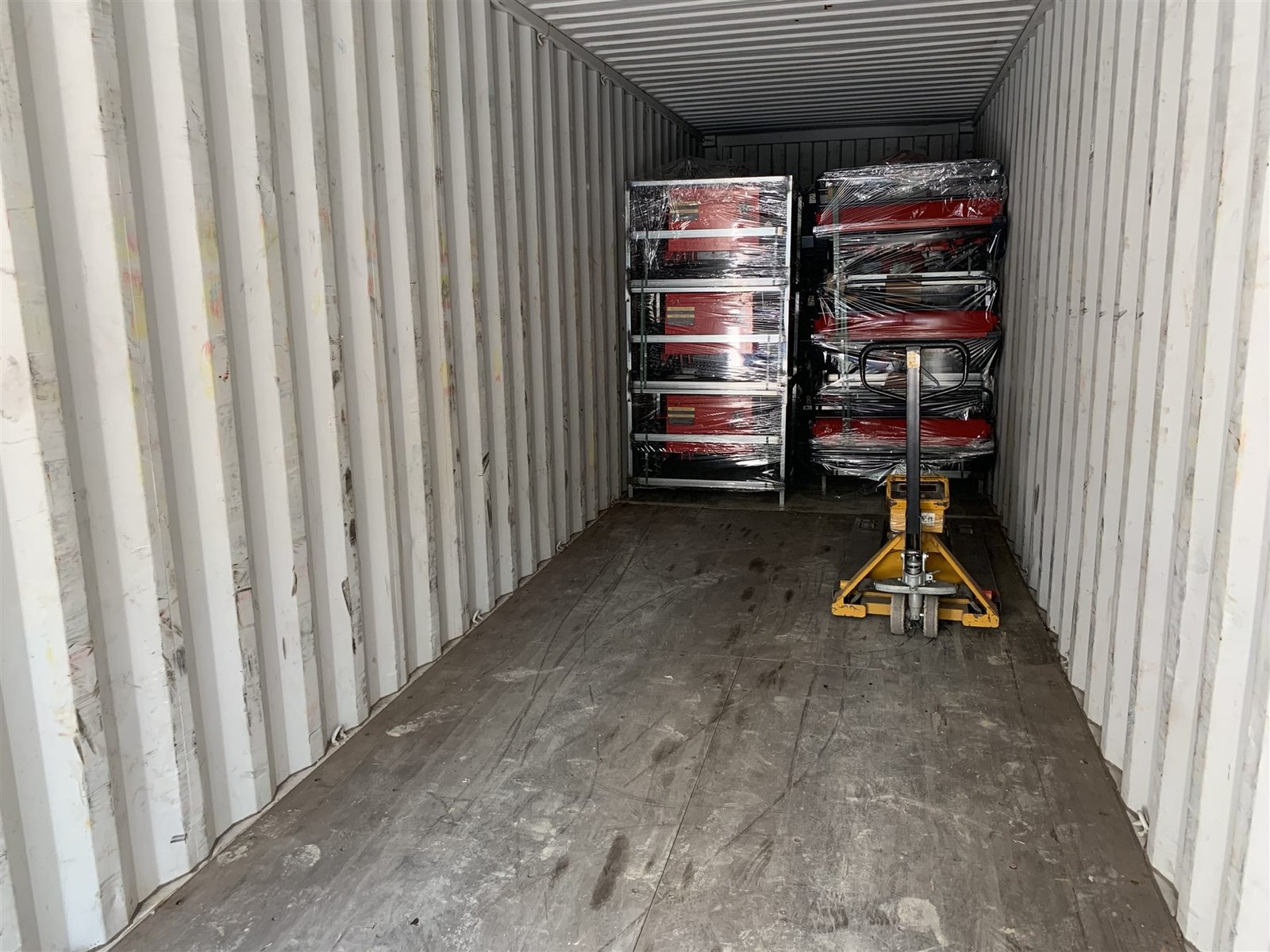
Construction Equipment Export Packing and Container Loading Guide
Export packing is an engineering and documentation task, not simply the final step after production. Machine dimensions, weight distribution, lifting points, removable components, fluid condition, corrosion protection and container securing should be planned against the confirmed configuration and destination requirements.
Key planning factors
The following points provide a structured starting point. Final selection and operating decisions should use the confirmed machine documentation, destination requirements and application-specific risk assessment.
| Transport envelope | Confirm overall length, width, height and operating weight for the exact tires, cab, mast, boom and attachments ordered. |
|---|---|
| Container choice | Compare internal door opening, usable internal dimensions, payload and loading method for standard, high-cube, open-top or flat-rack equipment. |
| Disassembly plan | Record every removed part, hose, cable, fastener and protection item; provide reassembly identification and instructions. |
| Protection | Define paint and exposed-metal protection, moisture control, inlet and outlet sealing, battery isolation and weather-sensitive component covering. |
| Securing | Use suitable blocking, wheel restraint and rated lashing points based on machine mass, center of gravity and transport movement. |
| Evidence | Photograph identification, packing condition, loose parts, lashing and container closure for the shipment file. |
Recommended buyer workflow
- Freeze the signed machine and attachment configuration before calculating the shipping envelope.
- Measure the packed machine rather than relying on a generic brochure dimension.
- Confirm loading equipment, dock or ramp arrangement and safe lifting points.
- Create a packing list that distinguishes installed, removed and separately boxed components.
- Check destination documentation, wood-packaging rules and consignee requirements before dispatch.
- Keep inspection, loading photographs and serial-number records with the commercial shipment file.
Questions buyers frequently ask
Can a catalog dimension be used for container planning?
Only as an early estimate. The packed dimensions and weight of the exact ordered configuration should control the final loading plan.
Should attachments be mounted during shipment?
It depends on space, stability, protection and unloading capability. Separately packed tools must be clearly identified and secured.
What information should a loading record contain?
Machine identity, packed dimensions, loose parts, protection measures, securing points, container number and photo evidence are useful core records.
Explore Machinery container loading and shipping, compare relevant models and send MERI your application details for configuration review.