
Tillage Wear Parts · MERI Machinery
Tiller blades work in abrasive soil and should be inspected as a complete rotor set. Uneven wear, incorrect orientation, loose fasteners or mixed blade types can reduce soil finish, increase vibration and load the drivetrain.
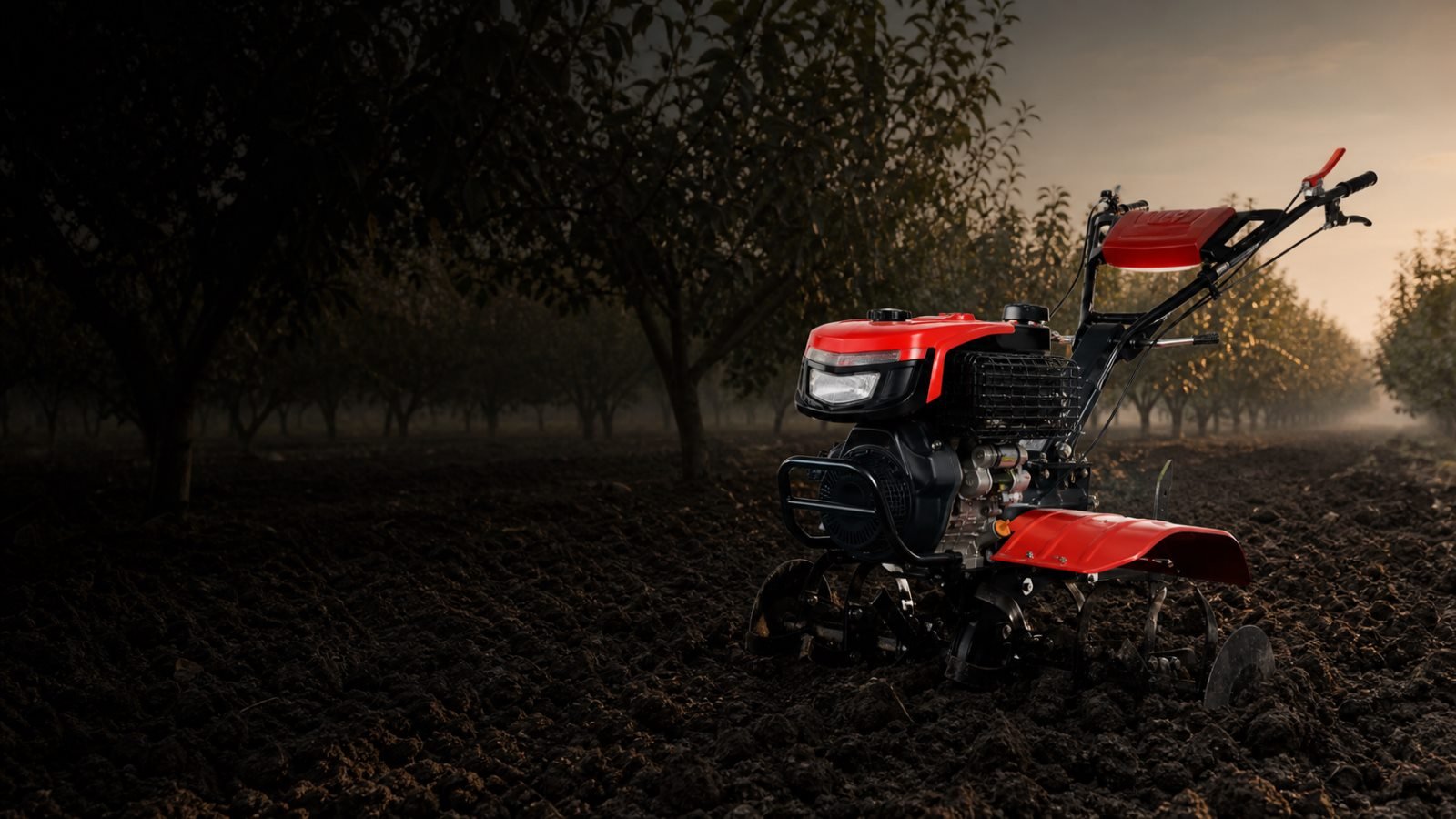
Relevant MERI Equipment and Resources
ME-TG100-D
Compact power tiller
ME-TG135-D
Rotary tiller
ME-RM750-R
Remote-control power tiller
Selection guide
Soil, working width and depth planning
Technical Points to Confirm
| Wear pattern | Compare blade length, profile and edge condition across the rotor; investigate abnormal one-sided or localized wear. |
|---|---|
| Correct identification | Use machine, rotor and blade references rather than ordering from appearance alone. |
| Balanced replacement | Follow the specified blade pattern and replacement method to preserve rotor balance and soil action. |
| Fasteners and guards | Use specified hardware and torque procedure, and replace damaged guards before operation. |
| Soil strategy | Stones, roots, dry compaction and excessive depth accelerate wear and may require different passes or tooling. |
Information to Include with an Inquiry
- Exact machine and rotor reference
- Blade photos and dimensions
- Soil and stone condition
- Working depth and annual area
- Observed vibration or finish change
- Required replacement quantity and fasteners
Request an Application-Based Recommendation
Review the related MERI guide, then send your application, site conditions, configuration requirements and destination through the technical quotation form.
This page supports preliminary selection. Final specifications, capacity, compatibility, service intervals and destination documentation are confirmed for the selected machine and configuration.