International Equipment Procurement – MERI Buyer Resource
Machinery Import Inspection and Documentation Checklist
A professional machinery order should move from application requirements to a signed technical configuration, then to inspection evidence linked to that configuration. Product photos and a model name are not enough for shipment approval.
Technical Factors to Confirm
| Decision area | What the buyer should verify |
|---|---|
| Technical offer | Model, rated capacity, dimensions, power system, tires, cab, attachments, options and destination requirements. |
| Identification | Machine and major-component identification should correspond with the order and available documentation. |
| Functional inspection | Starting, travel, steering, braking, lifting, hydraulics, controls, alarms, leaks and attachment operation as applicable. |
| Documentation | Commercial documents, packing list, manuals, parts information and configuration-specific certificates where agreed. |
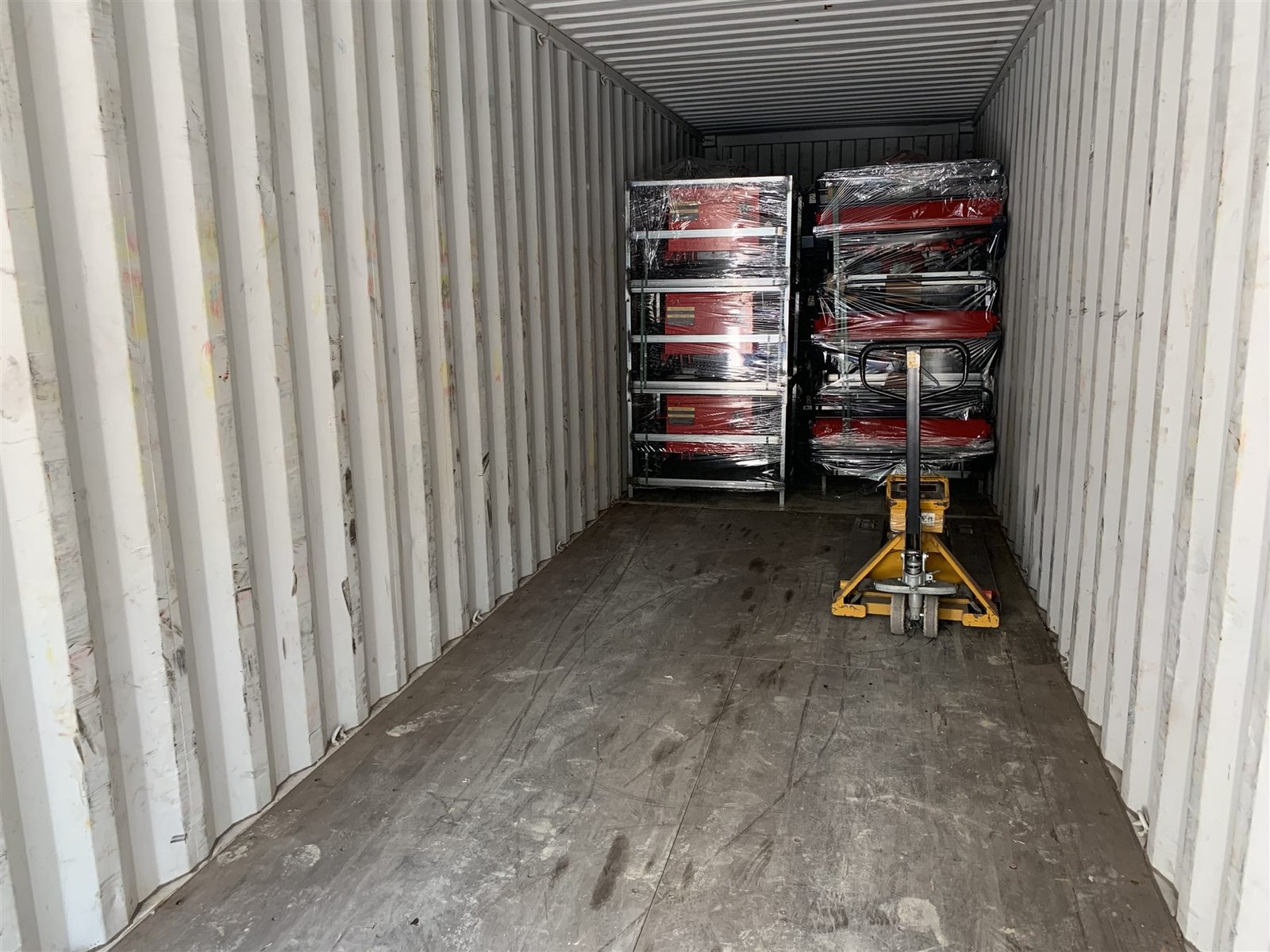
| Packing and loading | Dimensions, weight, disassembly, corrosion protection, securing points and container or transport plan. |
Common Buying Mistakes
Incomplete application data
Suppliers cannot select responsibly when load, terrain, dimensions, work cycle and attachments are missing.
Headline-number comparison
A single capacity, width or power figure rarely explains stability, productivity, compatibility or operating cost.
- Approving shipment from marketing photos
- Leaving optional equipment outside the signed configuration
- Requesting certificates after production without confirming applicability
- Failing to connect inspection records to the exact machine
Information to Send With Your RFQ
- Signed technical specification and option list
- Destination country and intended-use requirements
- Machine identification and nameplate evidence
- Function-test photo/video checklist
- Manuals and spare-parts documents
- Packing dimensions, weights and loading plan
- Commercial invoice and packing-list review
When possible, include dimensioned site sketches, load photographs, terrain video and the destination country. MERI can then compare the relevant models, identify configuration questions and prepare a technical offer that is easier to review internally.
Buyer FAQ
What is the difference between a catalog and a technical offer?
A catalog describes a product family. The technical offer should define the configuration supplied for the specific order.
Should inspection be completed before final payment?
Commercial terms vary, but buyers should agree the inspection scope, evidence and approval point before the order is placed.
Can one certificate cover every configuration and country?
Do not assume so. Applicability depends on product configuration, intended use and destination rules; confirm this before contracting.
Build a Configuration for Your Application
Review the related MERI equipment and solution page, or send your work requirements for a model recommendation and quotation.
This guide supports preliminary product selection. Final capacity, dimensions, performance, compatibility, compliance and supplied documents depend on the confirmed model and order configuration.