-
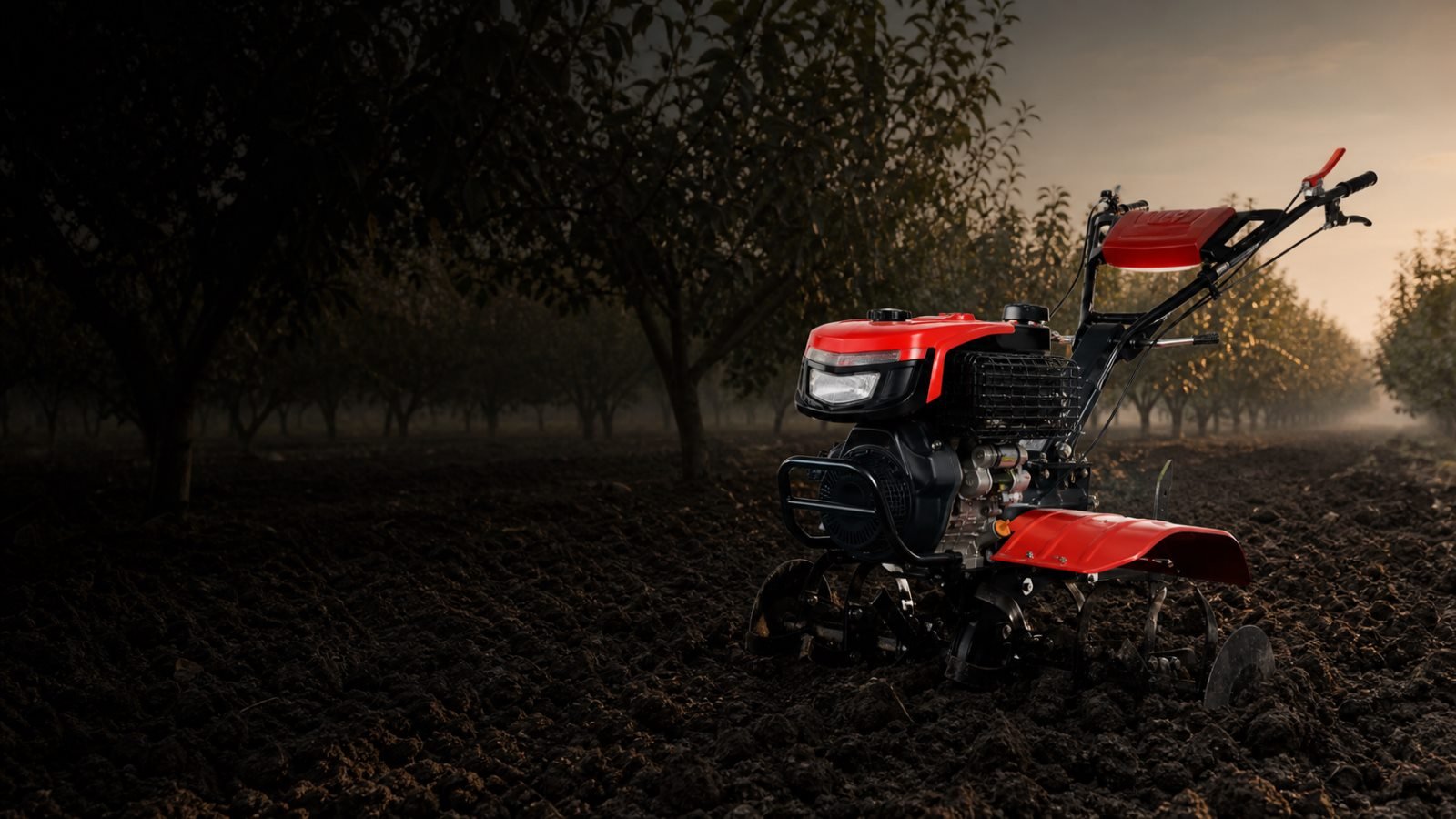
Rotary Tiller Soil Moisture, Working Speed and Seedbed Quality
A practical buyer guide to adjusting tillage timing and machine settings to avoid clods, smearing and excess passes, including the measurements, configuration checks, RFQ details and common mistakes that matter before ordering.
-
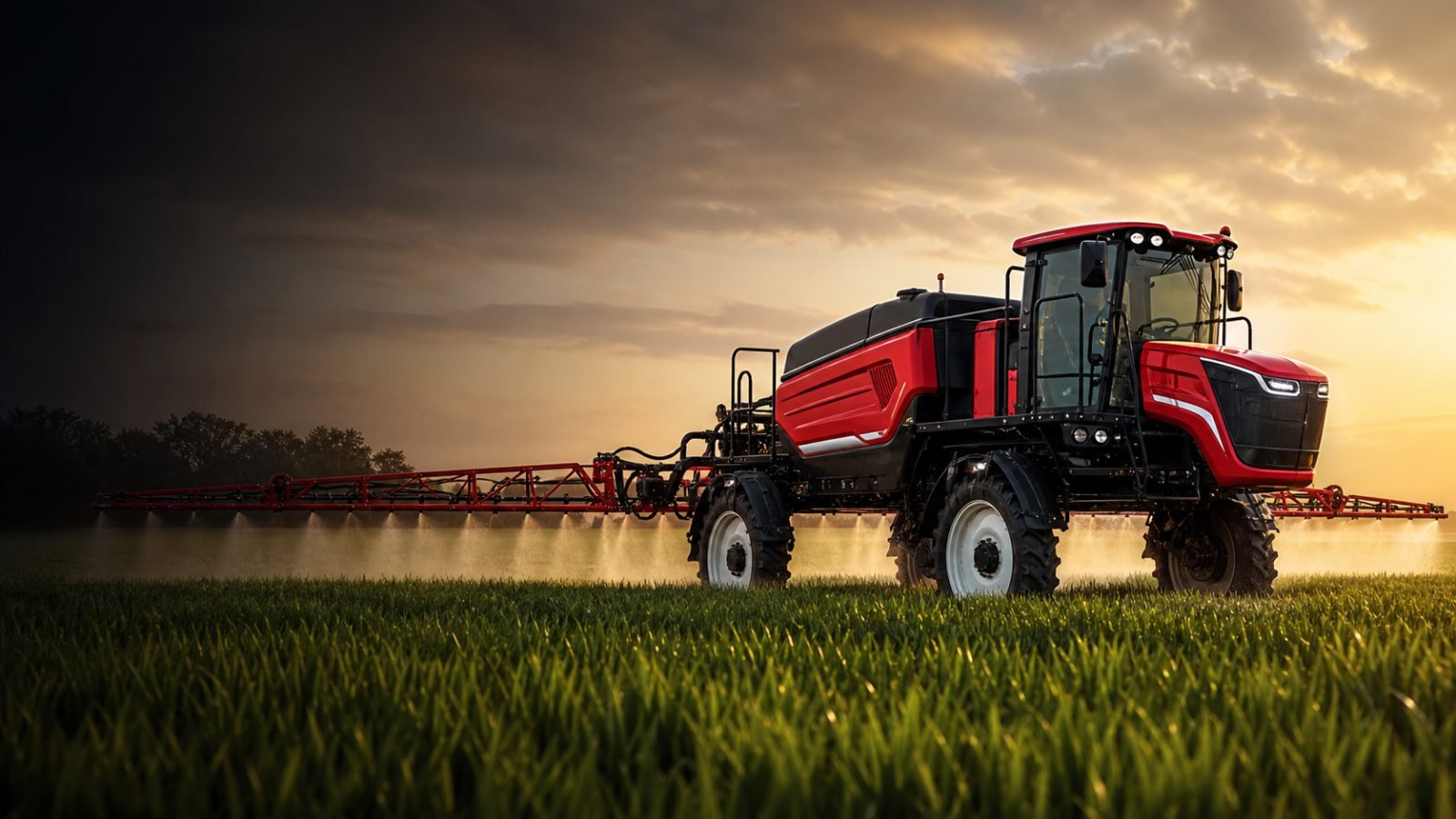
Boom Sprayer Pump Flow and Pressure Matching Guide
A practical buyer guide to sizing pump output for nozzle demand, agitation and operating reserve, including the measurements, configuration checks, RFQ details and common mistakes that matter before ordering.
-
Trolley Sprayer Pump Hose and Nozzle Selection
A trolley sprayer should be matched to the hose length, elevation, nozzle flow and application pressure. A larger pump does not automatically produce better coverage if the nozzle and duty are not matched.
-
Thermal Fogger vs ULV Cold Fogger Application Guide
Thermal fogging and ULV cold fogging create different droplets and use different application methods. The target area, formulation, ventilation and label instructions should decide the equipment, not visible fog alone.
-
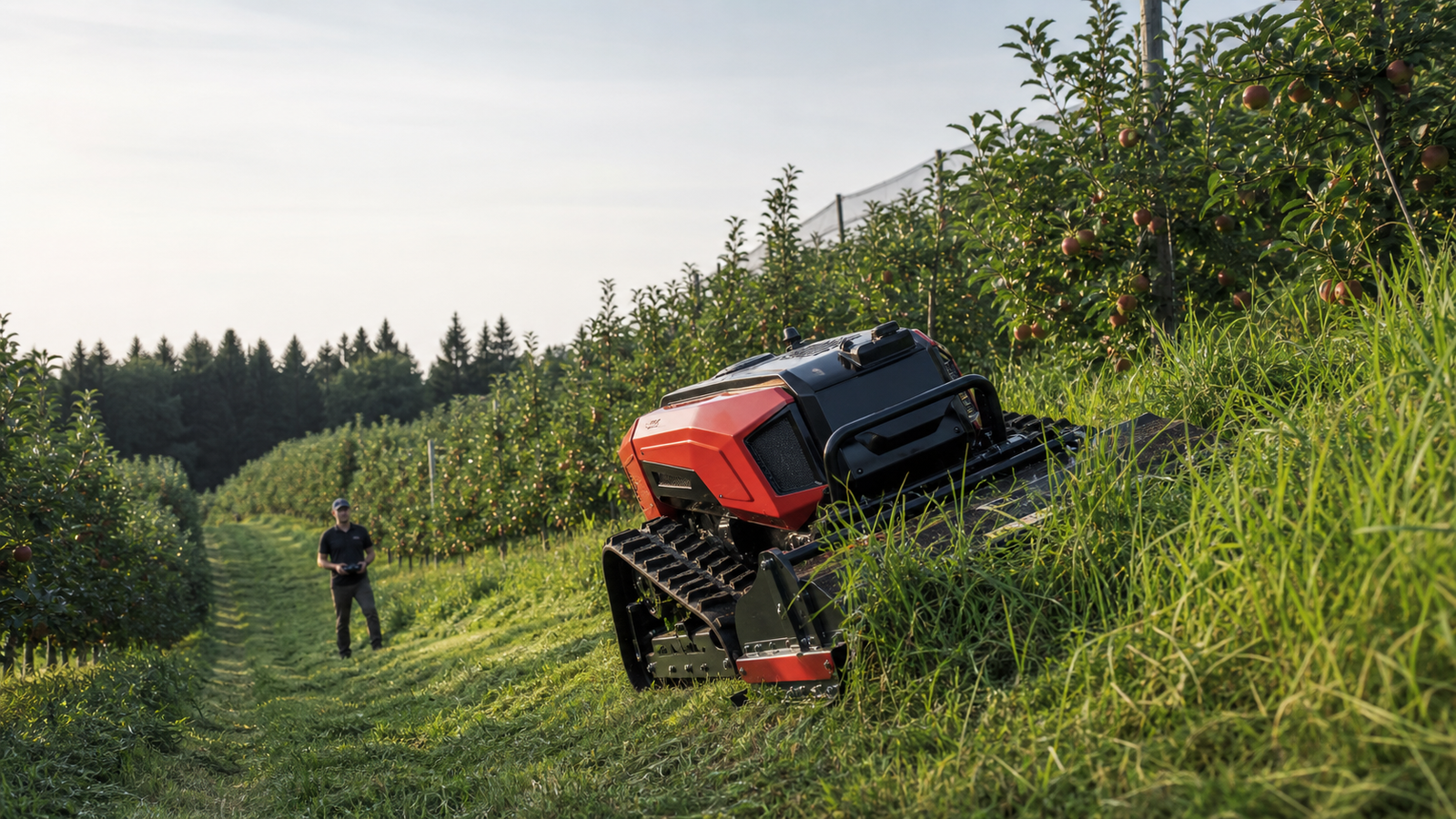
Remote Power Tiller Site Safety and Operating Plan
Remote control separates the operator from the machine, but it does not remove risk. The work zone, visibility, slope direction, bystanders and emergency recovery method still need a clear plan.
-
Power Tiller Working Depth and Soil Preparation Guide
Good tillage starts with the correct soil condition and working depth. Trying to work too deep in one pass can increase wheel slip, bury residue poorly and overload the drive system.
-
Remote Controlled Mower Transport Access and Site Survey
A remote mower must reach the work area before it can manage vegetation safely. A useful site survey records trailer access, gates, unloading space, side slopes, hidden obstacles, vegetation density, exclusion zones and recovery options.
-
Agricultural Sprayer Nozzle Spacing Height and Overlap Guide
Uniform spray distribution depends on the relationship between nozzle pattern, spacing, boom height, pressure, travel speed and boom stability. Raising the boom can increase drift exposure, while operating too low may create uneven overlap.
-
Boom Sprayer Tank Mixing and Refill Logistics Planning
Field capacity is controlled by more than boom width and travel speed. Water source, mixing location, tank volume, refill travel, agitation, rinsing and operator protection can determine the real area completed within an application window.
-
Thermal Fogging and ULV Application Safety Planning
Compare thermal fogging and ULV delivery while planning formulation compatibility, ventilation, exclusion zones, PPE, cleaning and re-entry.
-
Agricultural Sprayer Nozzle Selection and Drift-Reduction Planning
Plan agricultural sprayer nozzles, droplet size, pressure, travel speed, boom height and weather limits as one application system.
-
Power Tiller and Rotary Tiller Selection Guide
Choose a power tiller or rotary tiller by soil, working width, tillage depth, traction, row access, blade configuration and safety.
MERI Machinery · Construction · Agriculture · Intelligent EquipmentGlobal Sales & Support · sales@merimachinery.com

MERI Machinery Knowledge Center
Agricultural & Crop Protection
Practical buyer guidance for tillage machinery, agricultural sprayers, orchard equipment, foggers and remote-controlled equipment.